The short version
- Abdul El-Sayed secured victory in the Michigan Democratic Senate primary, setting up a general election matchup against Republican Congressman Mike Rogers.
- Commentators suggest the win reflects voter desire for candidates willing to challenge corporate interests and perceived authoritarianism, rather than purely ideological shifts.
- El-Sayed is not identified as a democratic socialist, distinguishing his platform from some narratives about the primary's significance.
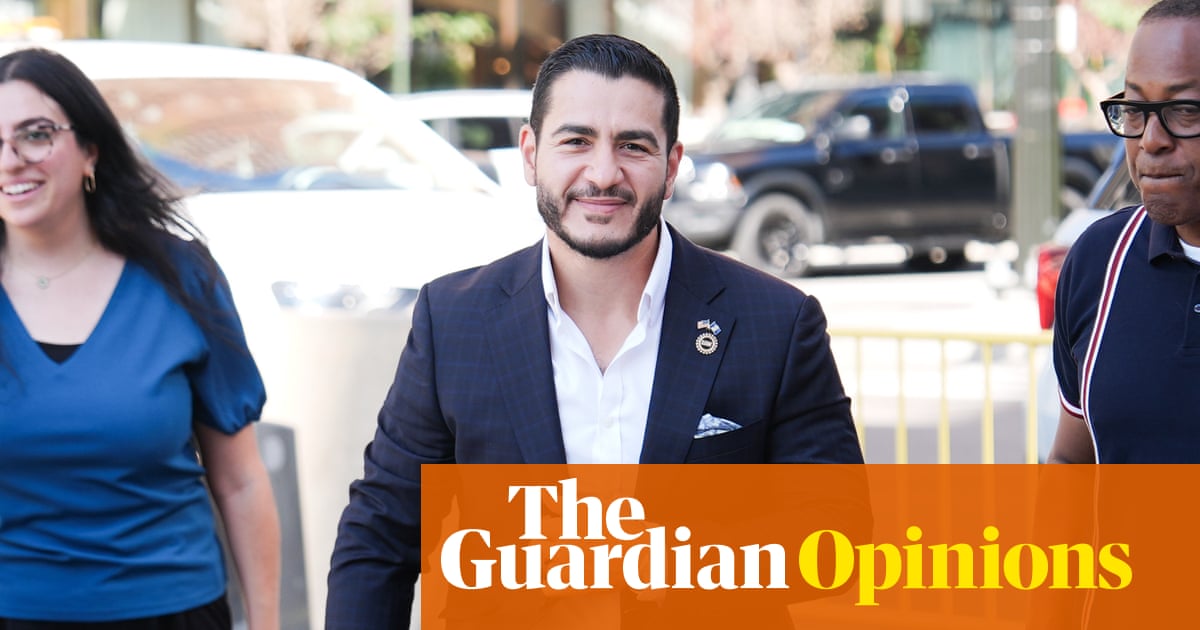
Abdul El-Sayed has won the Democratic primary for the US Senate in Michigan, defeating incumbent Representative Haley Stevens. The victory positions El-Sayed to face Republican Congressman Mike Rogers in the upcoming midterm elections. The result has drawn significant attention from political analysts and commentators who are interpreting the outcome as a signal of shifting voter priorities within the party.
El-Sayed’s campaign emphasized a confrontational stance against what he describes as corporate corruption and authoritarian tendencies in national politics. Unlike Stevens, who is viewed by some as part of the establishment, El-Sayed positioned himself as a fighter willing to challenge powerful interests. His platform resonated with voters concerned about affordability and the influence of big money in politics.
Commentators have noted that the primary was not necessarily driven by ideological purity but by a desire for candidates who would actively oppose perceived threats to democratic norms. Robert Reich, writing in The Guardian, argued that Michigan Democrats chose El-Sayed because he is willing to stand up to what he terms tyranny, rather than because of his specific label as a liberal or socialist. In fact, El-Sayed is not a democratic socialist, a distinction that complicates narratives about the party being taken over by the far left.
The primary contest highlighted tensions between progressive populism and traditional Democratic leadership. Stevens, along with other prominent Democrats such as Rahm Emanuel and Chuck Schumer, has been criticized for relying on corporate donors and avoiding direct criticism of billionaire interests. El-Sayed’s campaign focused on these vulnerabilities, arguing that corporate support for political figures undermines accountability and contributes to economic inequality.
Voters in Michigan appear to be responding to a broader crisis of affordability, which many link to deregulation and tax policies favoring the wealthy. The primary result suggests that concerns about cost of living and economic fairness are driving electoral choices more than traditional partisan alignments. This trend may reflect a growing skepticism toward establishment politicians who are perceived as out of touch with everyday struggles.
The general election against Mike Rogers will test El-Sayed’s ability to translate primary momentum into broader appeal. Michigan is considered a moderate state, and questions remain about whether an insurgent candidate with unabashedly liberal positions can secure victory in a competitive race. The outcome could have implications for national Democratic strategy and the balance of power in the Senate.
El-Sayed’s win also underscores the role of media and public discourse in shaping political narratives. Social media platforms and news outlets have amplified discussions about corporate influence and political accountability, contributing to heightened awareness among voters. The primary served as a referendum on these issues, with El-Sayed emerging as the preferred candidate for those seeking change.
As the campaign moves forward, both parties will likely focus on contrasting visions for Michigan’s future. El-Sayed is expected to continue emphasizing his anti-corporate message and commitment to fighting perceived authoritarianism. Rogers, meanwhile, may seek to frame the race around stability and experience. The dynamics of this contest will be closely watched as a bellwether for national political trends.
The primary victory marks a significant moment for El-Sayed’s political career and for the Democratic Party in Michigan. It demonstrates the potential for outsider candidates to disrupt established hierarchies when they align with voter concerns about economic justice and democratic integrity. The coming months will reveal whether this momentum can sustain itself through the general election.
Sources behind this briefing
Go to the original reporting
- NPR↗El-Sayed wins Michigan's primary. And, Fauci faces contempt of Congress vote
- The Guardian US Politics↗The real meaning of Abdul El-Sayed’s victory in Michigan | Robert Reich
- PBS↗Fact-checking Abdul El-Sayed and Haley Stevens' claims ahead of the Michigan Democratic Senate primary