The short version
- ABC and Disney filed a federal lawsuit to halt the FCC's early review of eight broadcast licenses, alleging unconstitutional retaliation for critical speech.
- FCC Chairman Brendan Carr defends the move as an enforcement of public interest obligations, citing concerns over diversity practices and media trust.
- The legal challenge highlights a broader conflict between the Trump administration and major media outlets regarding regulatory pressure and free press protections.
ABC has initiated a federal lawsuit against the Federal Communications Commission, marking a significant escalation in the ongoing dispute between the network and the Trump administration. The complaint, filed on Tuesday, seeks to block the agency’s unprecedented demand for an early review of broadcast licenses held by ABC and its parent company, Disney. The plaintiffs argue that this regulatory action constitutes a direct violation of First Amendment rights, characterizing the move as an existential threat to their operations driven by political retaliation rather than legitimate public interest concerns.
The FCC, under the leadership of Chairman Brendan Carr, ordered the early renewal proceedings in April for eight local stations owned by ABC. These licenses were not due for review until much later, making the timing unusual and legally contentious. While the agency cited issues related to diversity practices as the official justification for the intervention, the lawsuit contends that the true motive stems from the network’s critical coverage of President Donald Trump. The legal filing suggests that the administration has systematically targeted ABC’s speech, escalating from verbal criticism to concrete threats against its broadcasting privileges.
Central to the network’s grievance is the timing of the FCC’s actions relative to recent controversies involving late-night host Jimmy Kimmel. Kimmel, known for his sharp critiques of the president, recently made a joke that reportedly angered Trump. ABC alleges that this incident served as a catalyst for the regulatory pressure, transforming general dissatisfaction into specific demands for license revocation. The lawsuit asserts that the administration has left no doubt about its intent to punish media outlets that do not align with its preferred narratives, using the coercive power of federal agencies to enforce compliance.
The legal team representing ABC and Disney argues that they have exhausted all other options to mitigate these threats. They claim that capitulation to the administration’s demands is the only alternative to facing immediate and ongoing hostility from the FCC. Consequently, the plaintiffs are asking a federal court to issue an injunction preventing the agency from taking any further action regarding the early license renewal applications. This request underscores the severity with which the network views the situation, framing it not merely as a bureaucratic hurdle but as a fundamental challenge to press freedom.
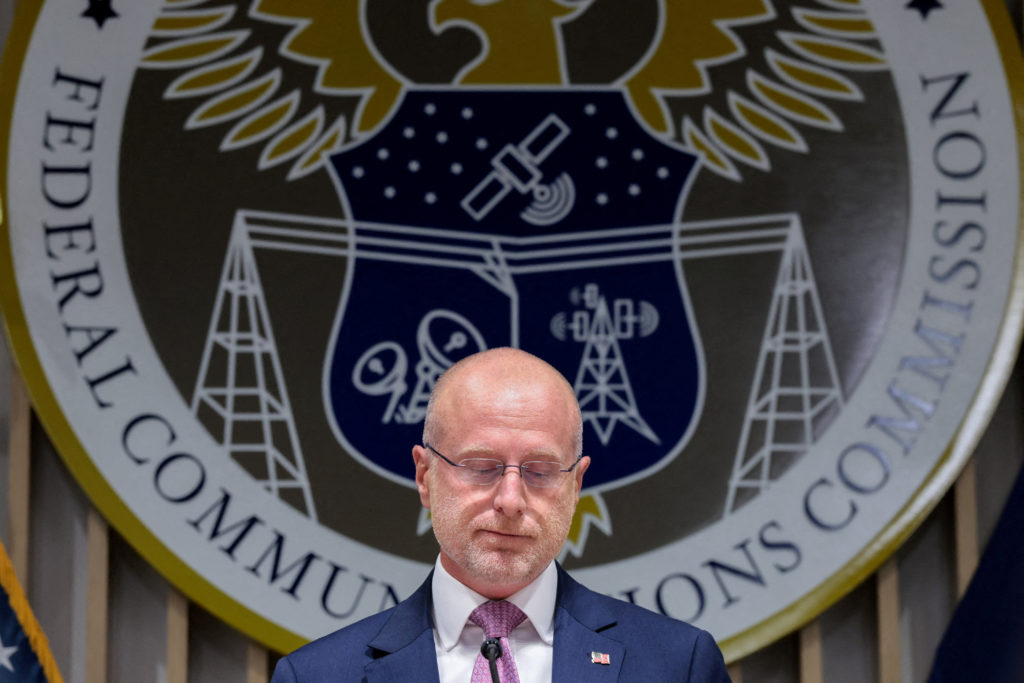
Chairman Carr has defended the FCC’s actions, asserting that broadcasters have a contractual obligation to operate in the public interest. In recent interviews, he emphasized that access to airwaves is a subsidized privilege worth billions of dollars, which comes with responsibilities. Carr argued that the current state of news media lacks sufficient trust and respect among the American public, suggesting that regulatory intervention is necessary to restore standards. He framed the review not as political retribution but as a corrective measure to ensure that broadcasters fulfill their duties to the communities they serve.
The conflict extends beyond the immediate issue of license renewals. ABC has also been engaged in a separate battle with the FCC over equal-time rules applicable to its morning talk show, The View. The network maintains that the agency previously ruled in its favor on this matter more than two decades ago, implying that the current scrutiny is inconsistent with established precedent. This additional layer of dispute reinforces ABC’s position that the FCC is engaging in a broader campaign of censorship and control, targeting specific programs and viewpoints that are critical of the administration.
Anna Gomez, the sole Democratic member of the FCC, has publicly supported ABC’s legal challenge. She described the agency’s actions as a campaign of intimidation designed to punish companies for speech that the administration dislikes. Gomez commended Disney for its courage in pushing back against what she characterized as overreaching government pressure. Her statement highlighted the broader implications for other broadcasters who may have remained silent due to fear of similar regulatory retaliation, suggesting that ABC’s lawsuit could serve as a rallying point for the industry.
The lawsuit warns that if the administration succeeds in its efforts, it will send a chilling message to media companies across the country. The plaintiffs argue that such an outcome would establish a precedent where only stories deemed favorable by the government are permitted, effectively ending the concept of a free press. This perspective frames the case as a critical test for journalistic independence and the limits of executive power over regulatory agencies. The FCC has not yet responded to requests for comment regarding the specific allegations made in the Tuesday filing.
As the legal proceedings unfold, the outcome could have far-reaching consequences for media regulation and First Amendment jurisprudence. The case pits the government’s authority to enforce public interest standards against the constitutional protections afforded to news organizations. With both sides entrenched in their positions, the federal court will play a decisive role in determining whether the FCC’s actions constitute legitimate oversight or unconstitutional retaliation. The resolution of this dispute will likely influence how future administrations interact with the media and regulate broadcast content.
The broader context of this conflict reflects growing tensions between the Trump administration and major news outlets. ABC’s decision to sue represents a rare step for a large media corporation, indicating the depth of its concern over regulatory threats. The case underscores the fragility of press freedoms in the face of political pressure and highlights the potential for regulatory agencies to be used as tools for partisan advantage. As the lawsuit progresses, it will remain a focal point for debates on media independence, government accountability, and the role of the FCC in modern communications.
Sources behind this briefing
Go to the original reporting
- PBS NewsHour↗ABC sues FCC over challenge to broadcast licenses

