The short version
- More than two hundred original Aardman Animations props sold for significant sums, with key characters reaching prices near sixty thousand pounds.
- The auction marks the Bristol studio's fiftieth anniversary, with all proceeds directed toward training initiatives and bursaries for emerging animators.
- Items ranged from high-value character models to early clay figures and set pieces, highlighting the technical complexity and historical span of the studio's work.
A significant collection of original stop-motion animation props from Aardman Animations has been sold at auction, generating substantial funds for the studio’s educational initiatives. The sale, which took place in London, featured more than two hundred items spanning five decades of the Bristol-based company’s history. Proceeds from the event are designated to support talent development programs, including bursaries at the Aardman Academy, ensuring that the financial success of these historic artifacts directly contributes to training future animators.
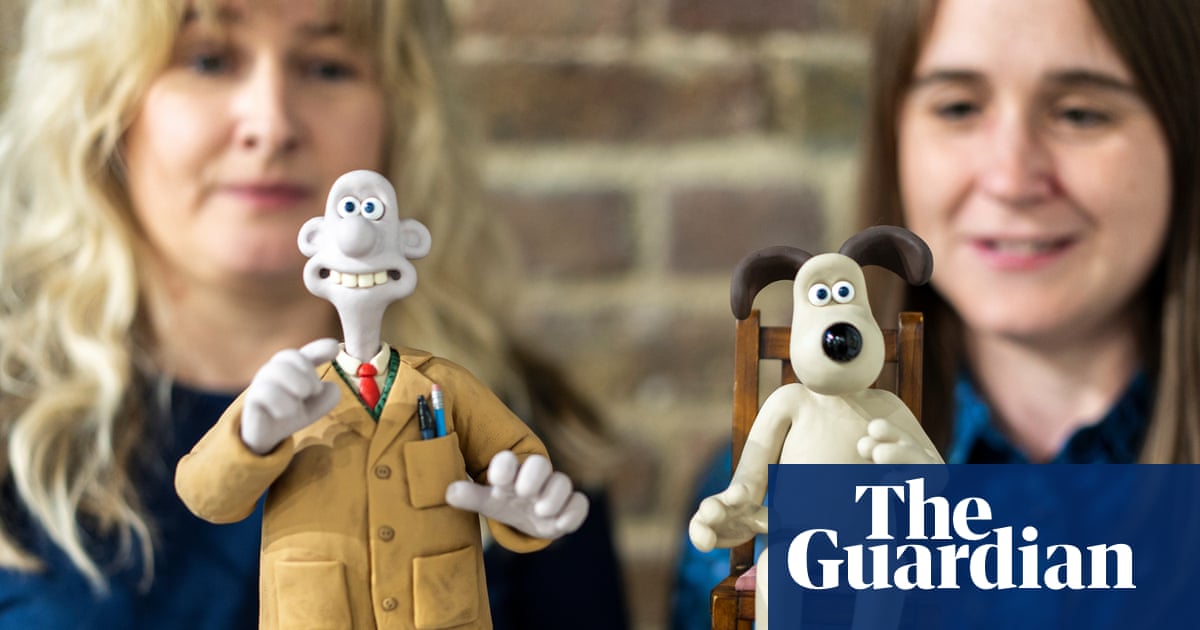
The most expensive lots were original character models from the 2024 film Vengeance Most Fowl. A puppet of Wallace, dressed in his signature green tank top and red tie, sold for £50,400. The item was described as being in excellent condition, with a construction that includes a clay head, a silicone body for ease of movement, and an internal metal skeleton. Gromit’s model from the same production also commanded a high price, fetching £31,500. This figure was built on a fully jointed armature designed to allow the character to maintain natural poses during filming.
Villainous characters proved equally valuable to collectors. Feathers McGraw, the penguin antagonist often disguised in Wallace and Gromit stories, appeared in two distinct lots. One version, depicting him as a nun, sold for over £30,000. Another iteration, showing him in a red rubber glove disguise intended to mimic a chicken, achieved a higher price of nearly £57,000. These sales underscore the enduring appeal of the studio’s narrative antagonists and the detailed craftsmanship involved in creating their various disguises.
The auction also highlighted the studio’s early history with items dating back to the late 1970s. Puppets of Morph and Chas, created from plasticine by Aardman co-founder Peter Lord, sold for £3,780. These figures represent some of the earliest works associated with the company, predating the widespread fame of Wallace and Gromit. The inclusion of handwritten care instructions with these early lots emphasized their fragility and historical significance as foundational pieces of the studio’s artistic legacy.
Beyond character models, the sale included various production materials and set pieces that offer insight into the stop-motion process. Storyboards from the 1993 film The Wrong Trousers, signed by director Nick Park, sold for nearly £4,000. A small clay rabbit from The Curse of the Were-Rabbit fetched almost £10,000. Even minor set elements, such as dry stone walls and a gate from the Shaun the Sheep television series, found buyers; one such lot sold for £567, complete with adhesive remnants showing where the pieces were secured to the set.
Non-tangible experiences were also part of the auction, reflecting the studio’s engagement with its fanbase. A lunch event with Peter Lord in Bristol sold for more than £11,000, while a stop-motion masterclass led by an Aardman animator went for just over £20,000. These items allowed bidders to invest in direct interaction with the creators and techniques behind the animations, rather than solely acquiring physical memorabilia.
Ngaio Harding-Hill, director of attractions and live experiences at Aardman, described the event as an unprecedented opportunity for fans to own a piece of the studio’s fifty-year history. She noted that the collection was carefully curated to reflect the breadth of the company’s output over five decades. The auction house Propstore managed the sale, which began with starting bids of £100 per lot but quickly escalated as enthusiasm from collectors drove prices upward.
The condition and handling requirements of these items were emphasized in the catalogues. The props are not toys but delicate works of art requiring specialized packaging and shipping. Warnings were issued regarding potential damage from extreme temperatures, highlighting the physical vulnerability of materials like clay, silicone, and resin. This careful stewardship is necessary to preserve the integrity of objects that have survived decades of use in professional animation production.
The financial success of the auction demonstrates the strong market for high-quality animation memorabilia. While some items remained accessible to casual fans, the most sought-after pieces attracted serious collectors willing to pay premium prices. The event serves as both a celebration of Aardman’s milestone anniversary and a practical mechanism for sustaining its creative pipeline by funding the education of new animators.
As the studio looks toward its next fifty years, this sale marks a transition from preserving past achievements to investing in future capabilities. By converting historical assets into educational resources, Aardman ensures that the technical skills and artistic traditions embodied in these puppets will continue to evolve. The auction concludes a chapter of physical preservation while opening one focused on human capital development within the animation industry.
Sources behind this briefing
Go to the original reporting
- The Guardian World↗‘Cracking auction, Gromit!’ Original Aardman puppets go under the hammer

